BOLIAKU
01 / Graduation project
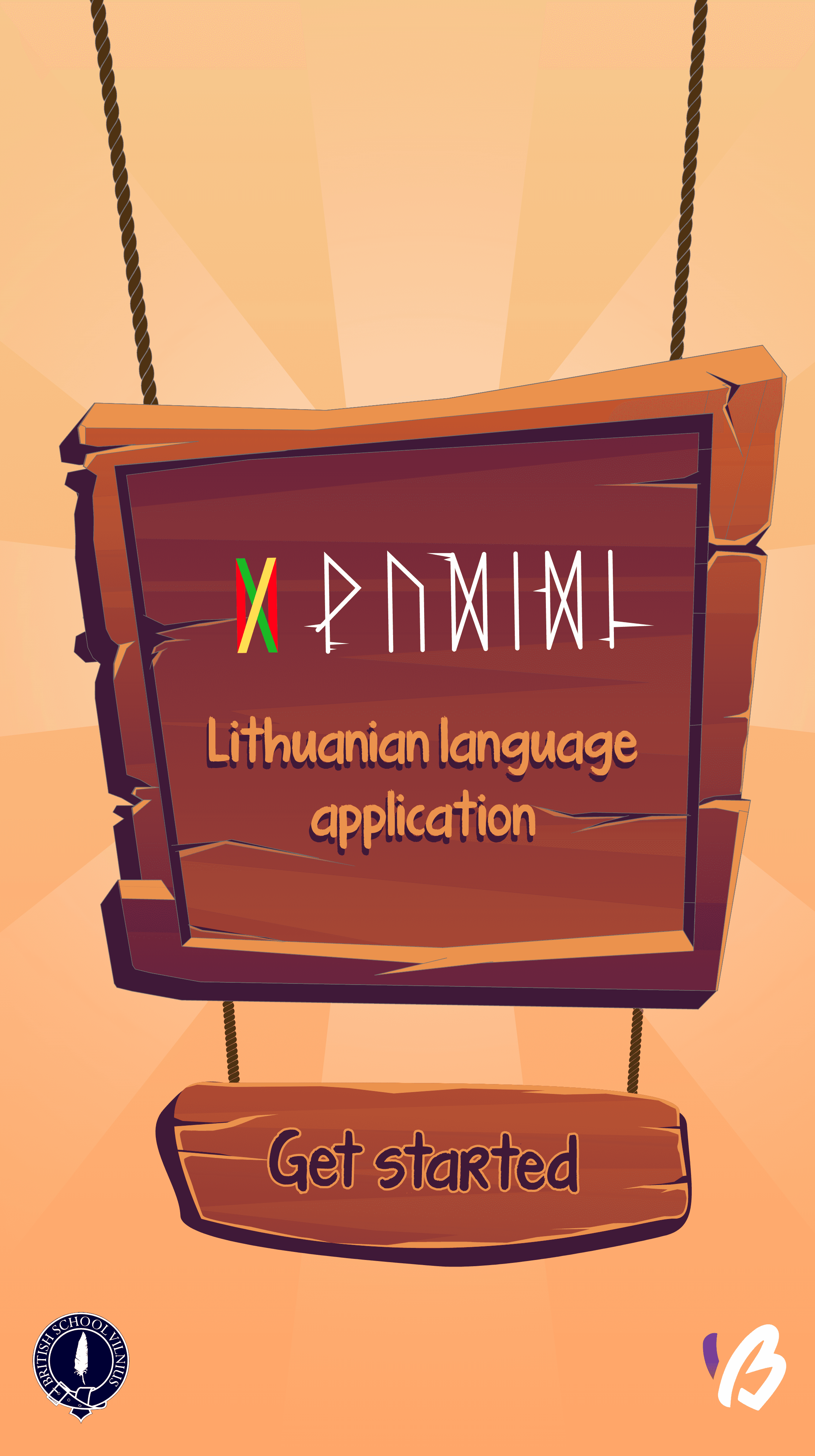
Panini
Gamified Lithuanian language learning
Panini was my graduation project exploring how game mechanics, progression and Lithuanian mythology could make language-learning exercises more engaging for children.
- 2021
- Graduation project
- Duration
- 6 months
- Scope
- Product Design · UX/UI
Game Design · Prototyping
02 / The learning loop
Learning through short, repeatable challenges.
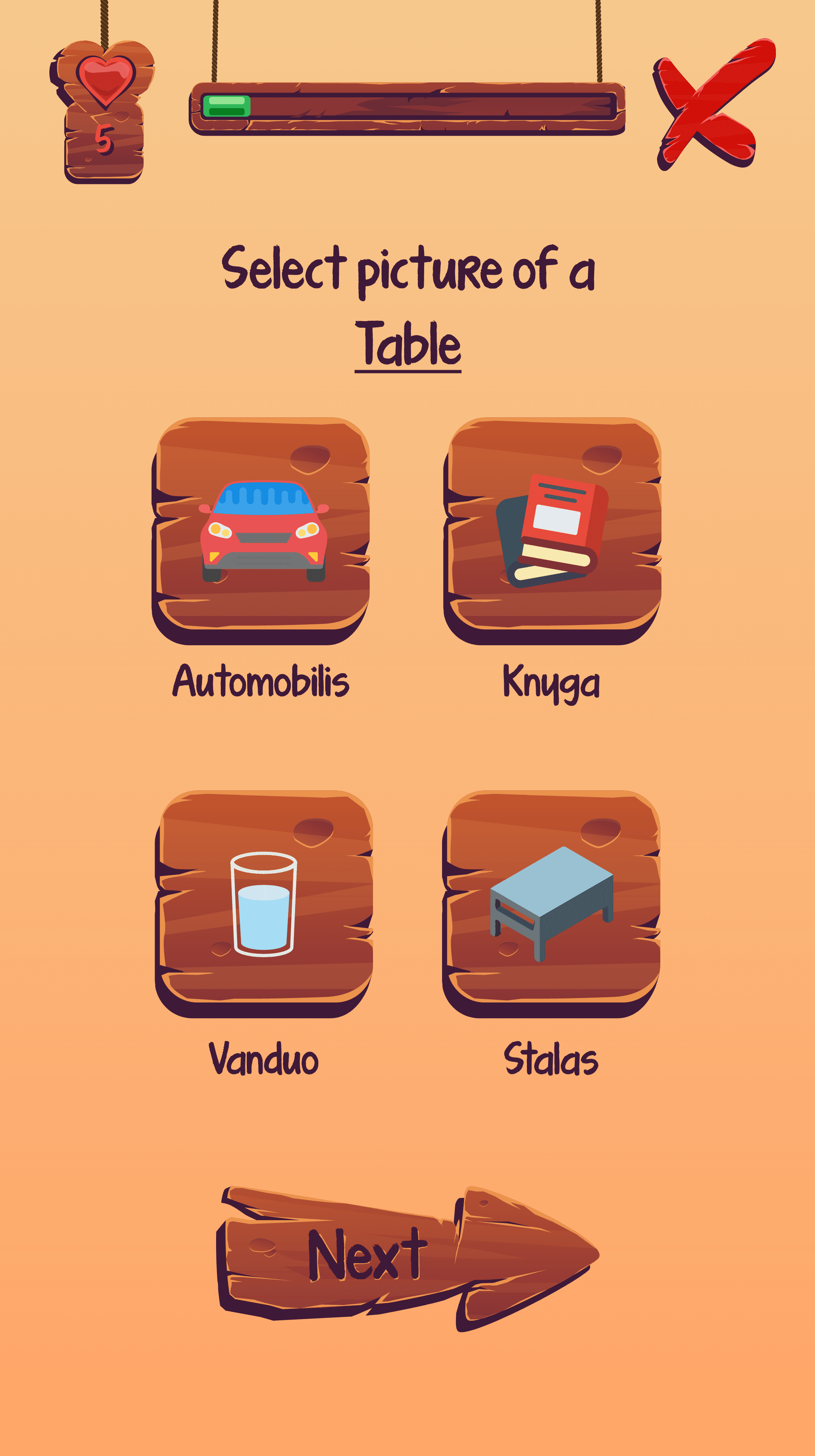
Different exercise types used immediate feedback and visible progression. The interaction stayed simple: understand the prompt, make a choice, learn from the result and continue.
- 01Challenge
- 02Feedback
- 03XP
- 04Progression
- 05Next challenge
Connect words with objects
Visual recognition helps children connect a new Lithuanian word with something they already understand.
03 / Progression & rewards
Making progress visible.
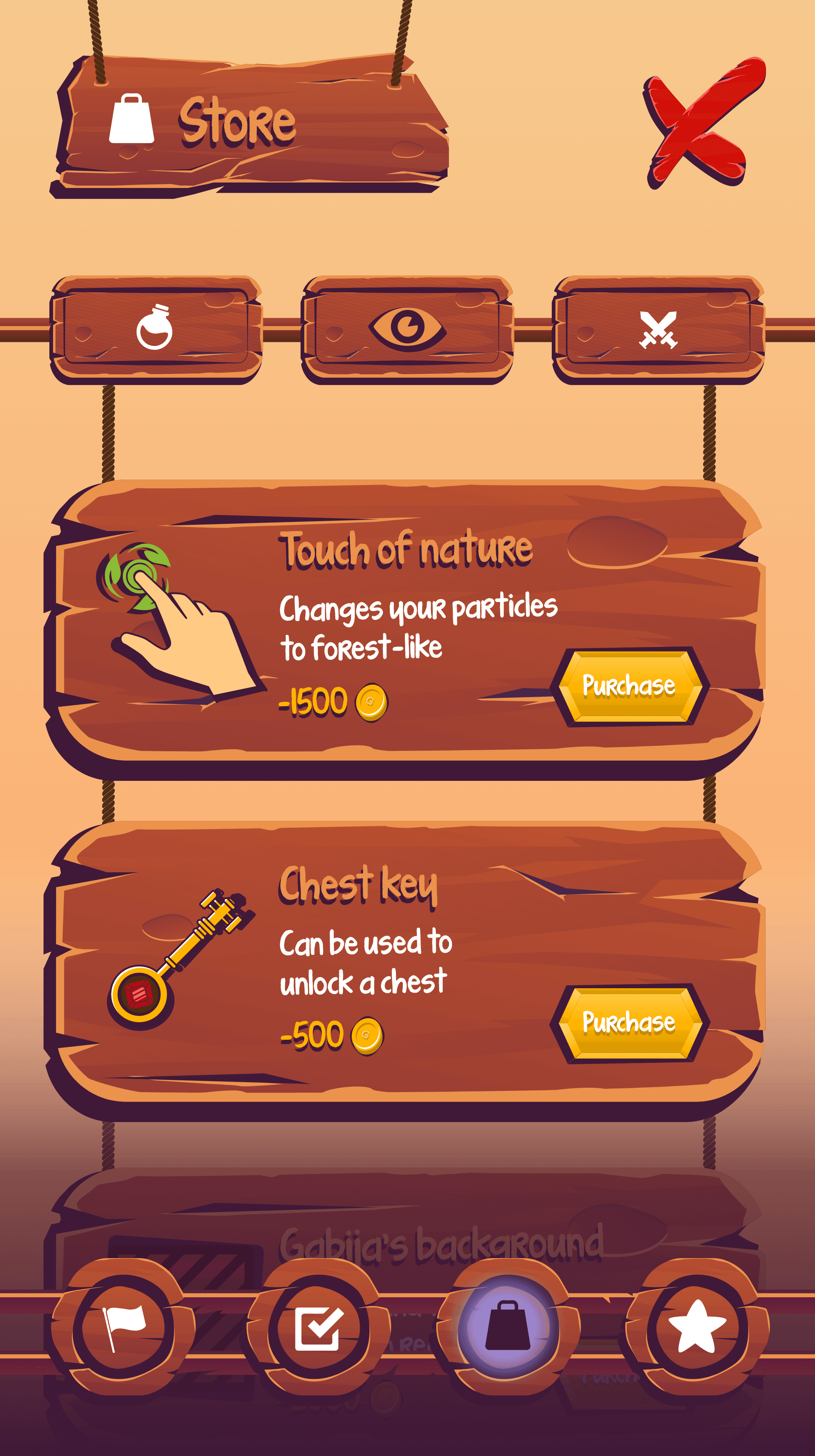
XP, health, currency, upgrades and achievements turned repeated practice into a longer-term sense of progress without replacing the learning task itself.
Spend what you earn
Coins connect practice with useful items and cosmetic rewards.
04 / Mythology & characters
Learning inside a Lithuanian world.
The game draws from Lithuanian mythology to make language learning part of a wider cultural discovery. Characters such as Perkūnas introduce children to local stories, symbols and ideas while guiding them through the experience.
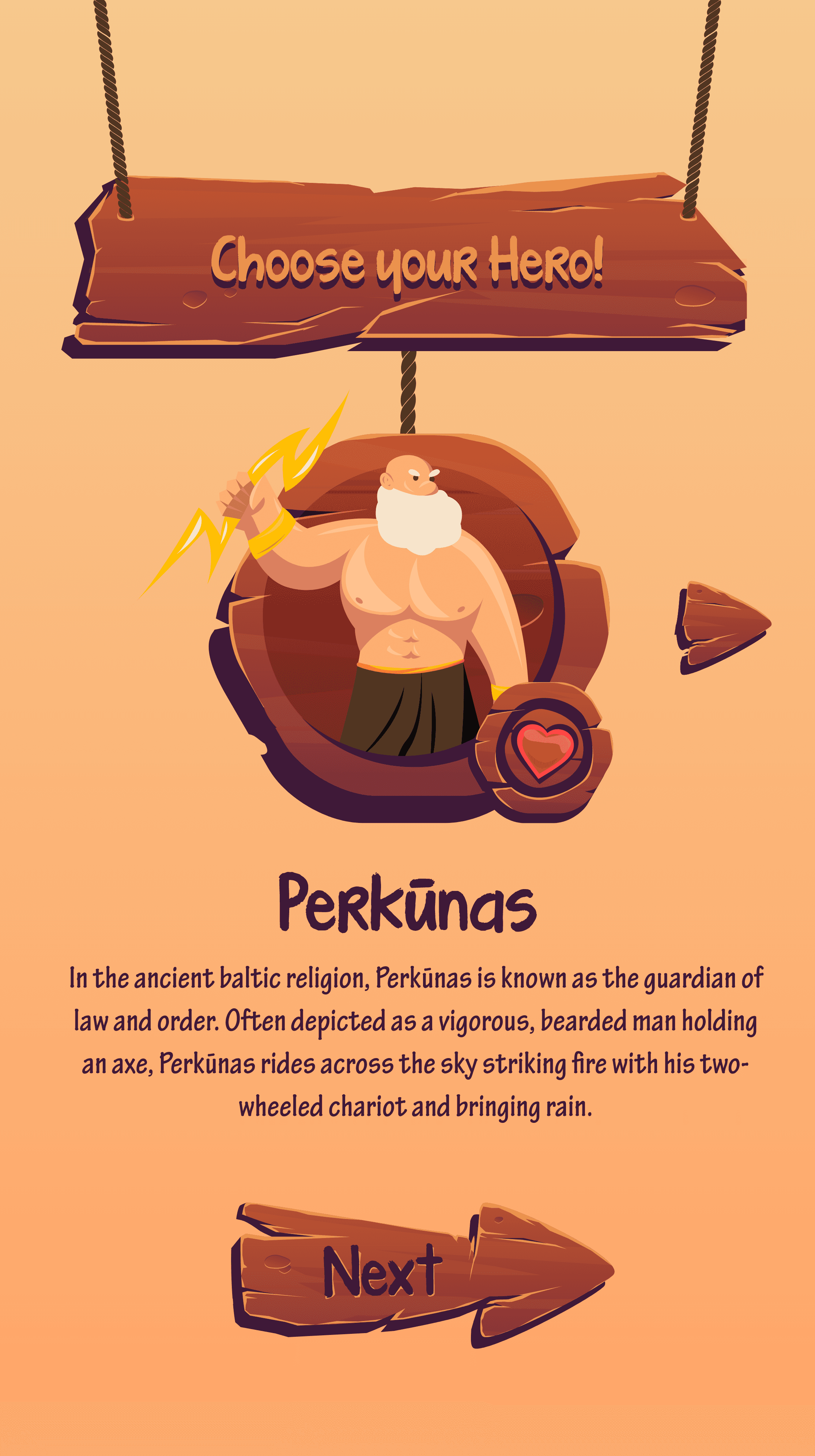
Culture became part of the learning journey.
Instead of treating Lithuanian as vocabulary alone, Panini placed it inside a recognisably Lithuanian world. Mythological characters provided context, personality and a memorable way to encounter the country’s cultural heritage.
05 / From concept to prototype
Where product design met game design.
- 01Learning concept
- 02Core game loop
- 03Visual identity
- 04Challenges
- 05Progression
- 06Hi-fi prototype
Panini taught me to think about products as systems of motivation, feedback and progression — not just collections of screens.
That systems mindset later became useful when designing more complex SaaS products, even though the products themselves were very different.